The Role of Lighting in Perfect Wedding Photography


Understanding the Importance of Lighting
Lighting is an essential element in photography, and when it comes to weddings, it plays a crucial role in capturing the magic of the day. The right lighting can transform ordinary photos into extraordinary memories. It not only highlights the couple but also enhances the atmosphere and mood of the event. Understanding how to use lighting effectively can make a significant difference in wedding photography.
Proper lighting helps in setting the tone and capturing the emotions of the moment. Whether it’s the soft glow of a sunset or the vibrant hues of a dance floor, lighting can make or break a photograph. Photographers need to be adept at using different lighting techniques to bring out the best in each shot.
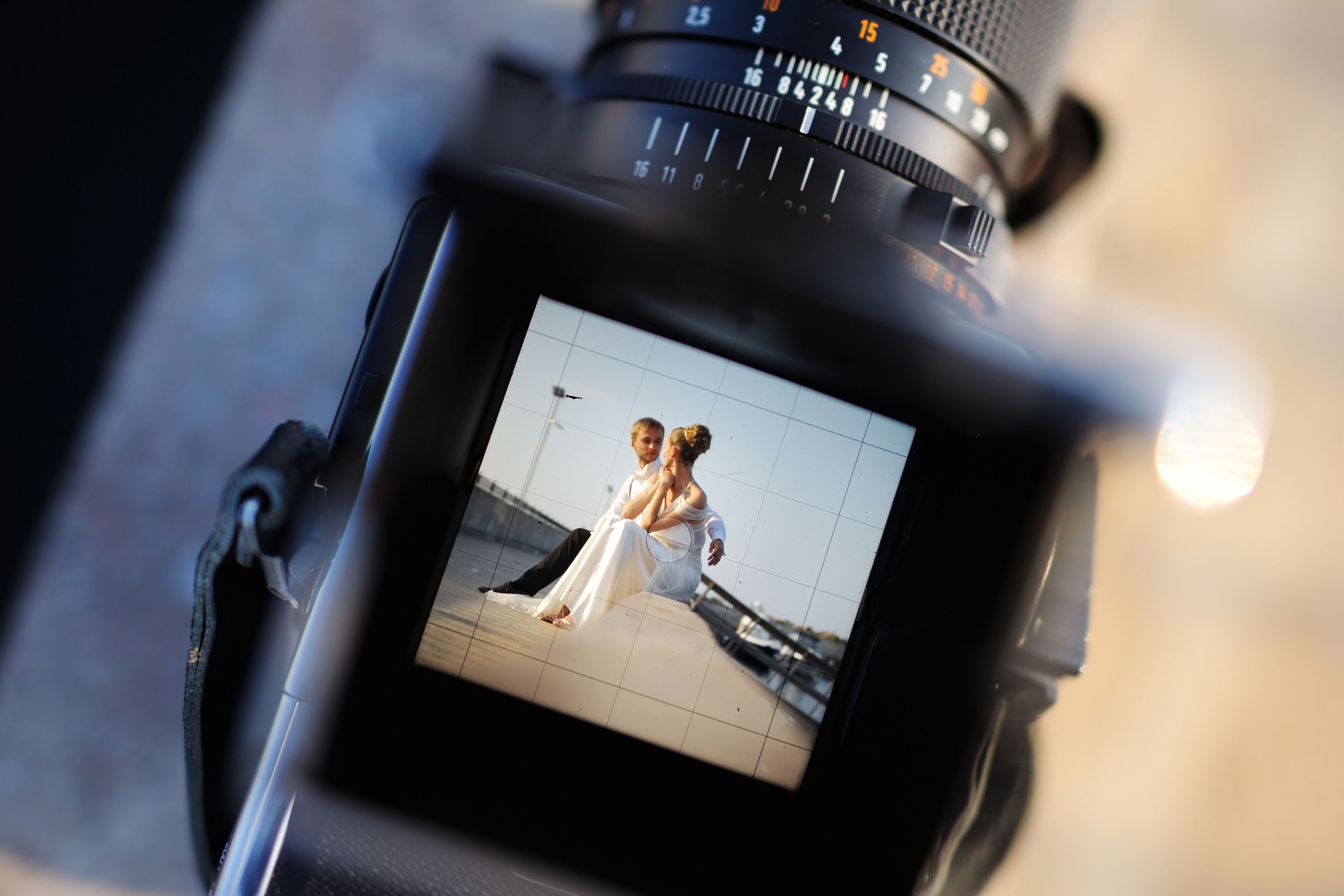
Natural vs. Artificial Lighting
Choosing between natural and artificial lighting is a critical decision. Natural lighting, such as sunlight, brings warmth and authenticity to photos. It’s ideal for outdoor ceremonies and can help capture candid moments beautifully. However, natural light can be unpredictable, requiring photographers to adapt quickly to changing conditions.
On the other hand, artificial lighting provides consistency and control. Photographers can use tools like flash, LEDs, or reflectors to create the desired effects. This type of lighting is particularly useful in indoor venues or during evening receptions where natural light is limited.

Techniques for Perfect Lighting
Photographers employ various techniques to achieve perfect lighting. One such technique is the use of reflectors to bounce light onto the subject, eliminating harsh shadows and creating a soft, even glow. Another popular method is backlighting, where the light source is placed behind the subject, creating a dramatic and romantic silhouette.
Diffusing light is also a common practice. By softening the light, photographers can reduce glare and create a more flattering effect. Moreover, playing with angles and positions of light sources can add depth and dimension to the photographs.

Lighting Equipment Essentials
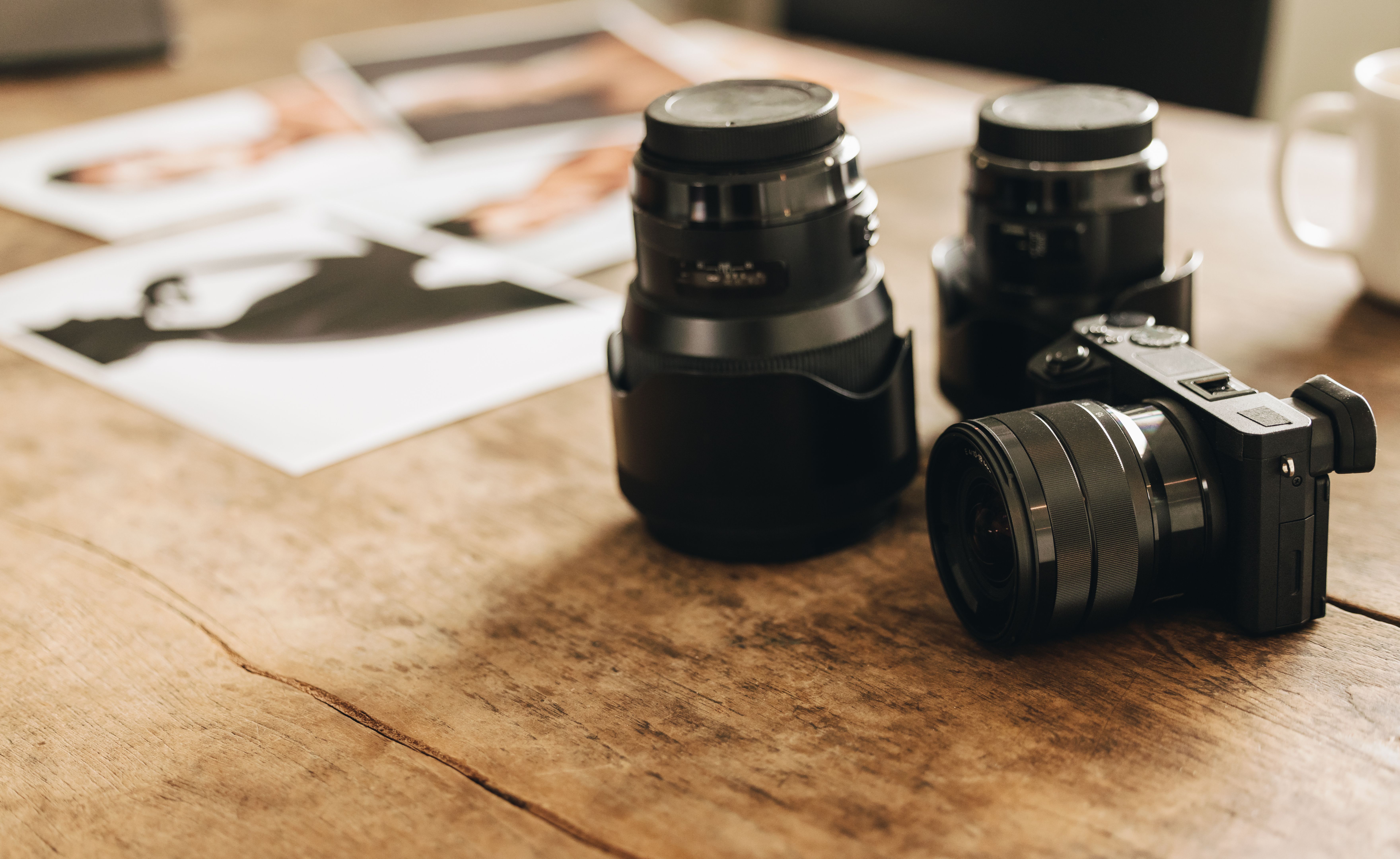
Having the right equipment is crucial for managing lighting effectively. A good camera with adjustable settings is a must, but additional tools like tripods, diffusers, and external flashes are equally important. These tools allow photographers to manipulate light in various ways, ensuring every shot is perfect.
Investing in quality lighting equipment can significantly enhance the final output. For those new to wedding photography, starting with basic gear and gradually upgrading as skills develop is advisable.
Post-Processing and Lighting
Post-processing is an integral part of wedding photography, where lighting adjustments can be fine-tuned. Software tools like Adobe Lightroom and Photoshop allow photographers to enhance brightness, contrast, and color balance, ensuring each photo reflects the mood and essence of the wedding day.
While post-processing can correct some lighting issues, relying solely on software is not recommended. Capturing the best possible images in-camera ensures a higher quality result and reduces editing time.
In conclusion, mastering lighting is essential for creating stunning wedding photographs. With the right techniques, equipment, and a bit of creativity, photographers can capture unforgettable moments that couples will cherish forever.